What is Craniosacral Therapy?
What is Craniosacral Therapy?
Two notions are integral to craniosacral therapy:
- Humans are rhythmic: Breathing patterns, hormonal cycles and circadian rhythms strongly influence our health. Neurological rhythms in children can predict language development. Even our relationships are rhythmic — the hearts of couples beat together (cardiac synchrony).
- The body has an orientation towards wholeness, an inherent ability to heal itself — for example, the release of natural opioids to reduce pain, a process regulated by the nervous system. The body’s innate orientation towards health runs deeper than any single mechanism.
These two ideas — that the body is rhythmic, and that it knows how to heal — lie at the heart of the practice.
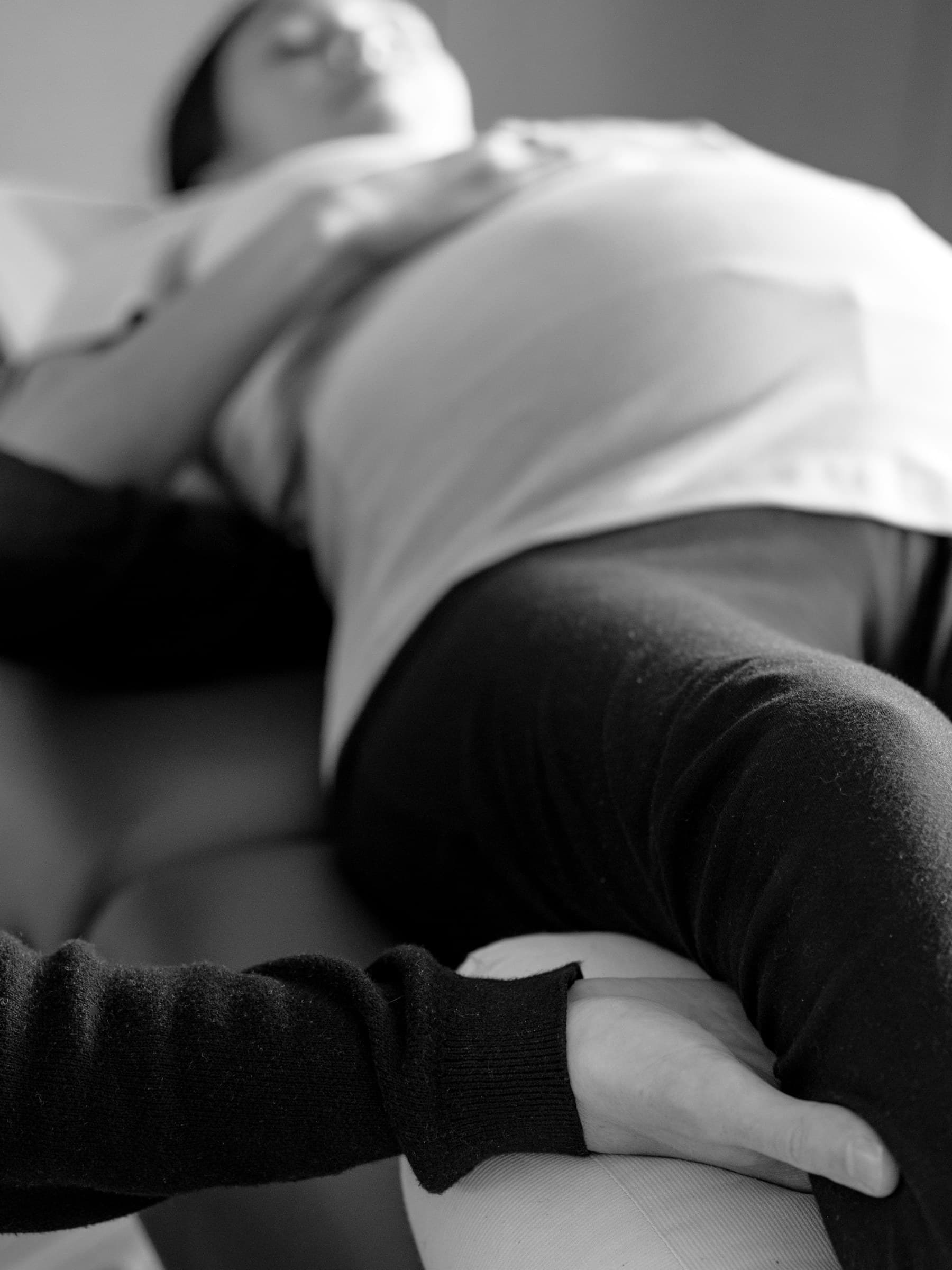
Deep listening and trust are at the heart of the work — trust that what has been carried alone can, in the presence of another, begin to be felt. Past experience leaves imprints in the body that continue to shape how we live and how we are. I support people to access these imprints as they emerge at the edge of awareness.
These imprints are explored through a process known as interoception. By refining our awareness of our body’s internal state we are more likely to feel grounded. A well-functioning vestibular system is essential to that sense of safety — it orients us in space, in our body, in the present moment. Recognising when we dissociate — and what it feels like — is the first step towards reversing it.
People of all ages (adults and children) come to Groundswell for craniosacral therapy. I offer treatment and support for trauma, anxiety, chronic pain and sleep issues — as well as for those who are simply looking to move better. Sometimes, people leave moving differently — with greater ease and with a deeper functional awareness of how their whole body moves in space.
The Autonomic Nervous System & Agency
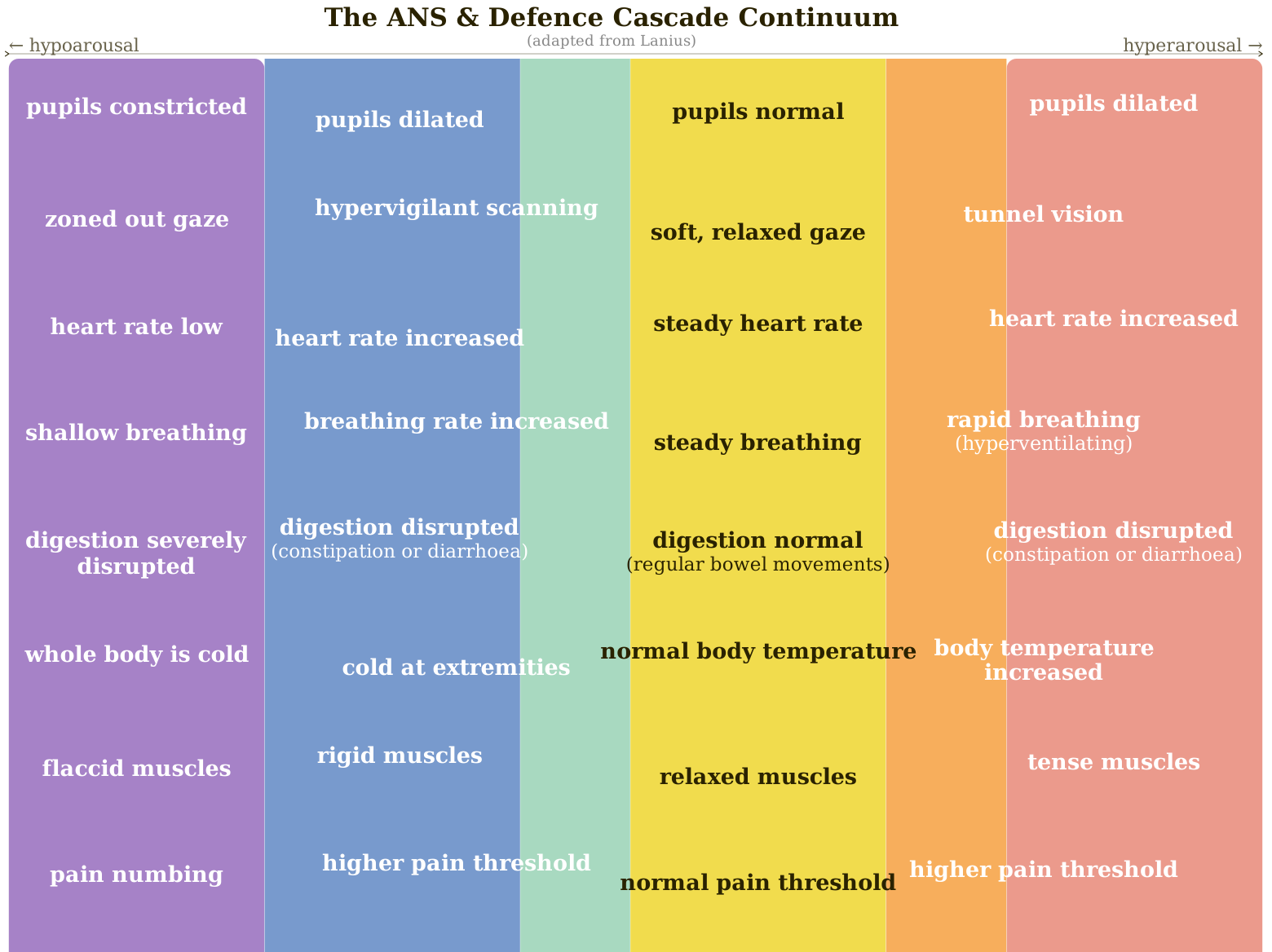
Work by leading scientists (e.g. Bessel van der Kolk, Ruth Lanius) has shown that sensory-based modalities which regulate the autonomic nervous system (ANS) from the ‘bottom-up’ can be transformative. Reversing defence cascades and enabling people to expand their window of tolerance is possible through attuned, hands-on support.
That support can enable a person to know what it feels like to live in the yellow zone — grounded, present, responsive — instead of the grey, blue or red zones shown in the picture below. Being in the yellow zone means we have the ability to ‘stand back’ from the immediacy of experience. We have more space around our thoughts and emotions, hence we have more freedom in choosing how we respond to life events.
How we breathe is a direct expression of our ANS — the slower and deeper the breath, the less demand there is on the nervous system. I support people to develop a felt sense of their breathing pattern and begin to recalibrate it. Even modest shifts can yield profound gains — in health, in how we inhabit our breathing body.
What to Expect
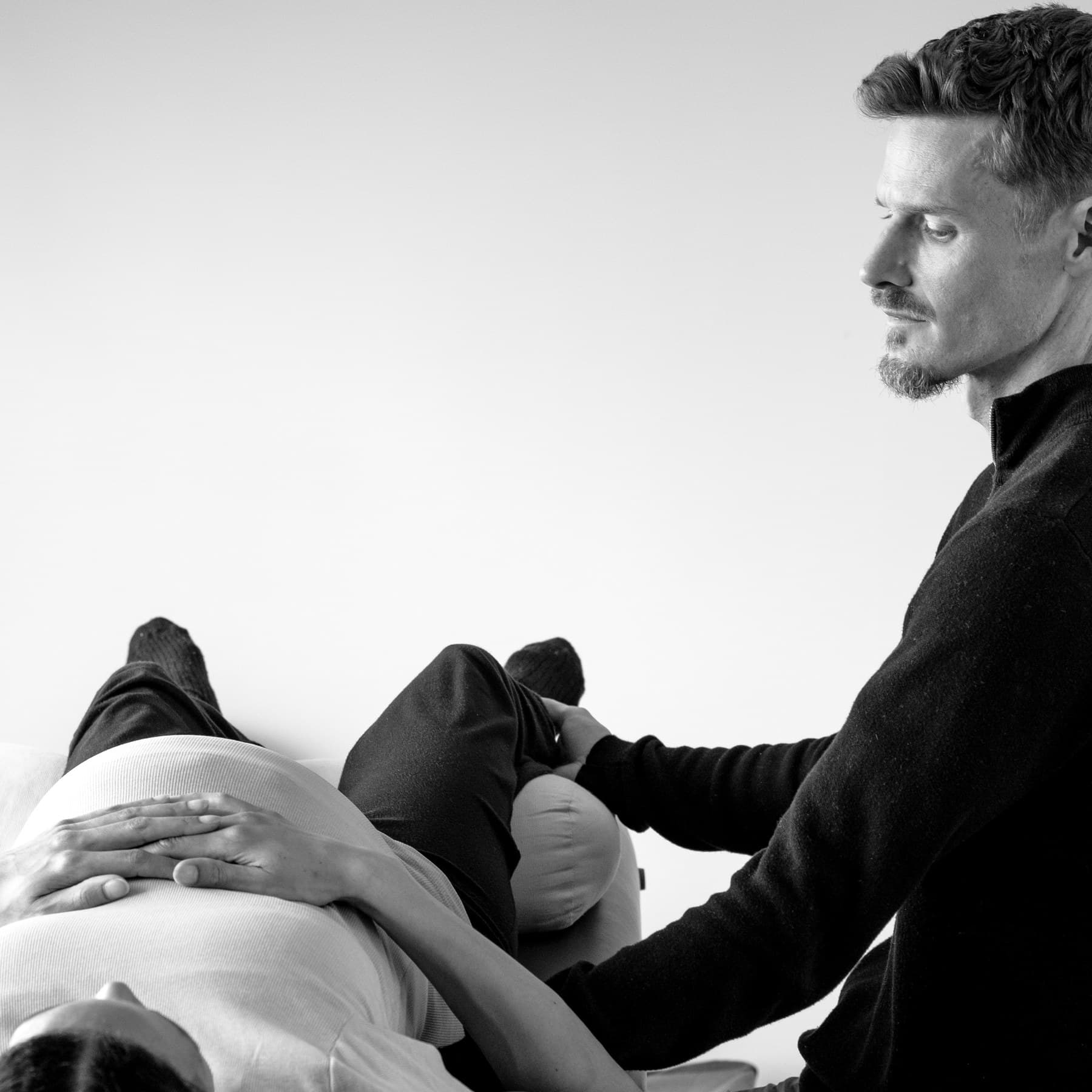
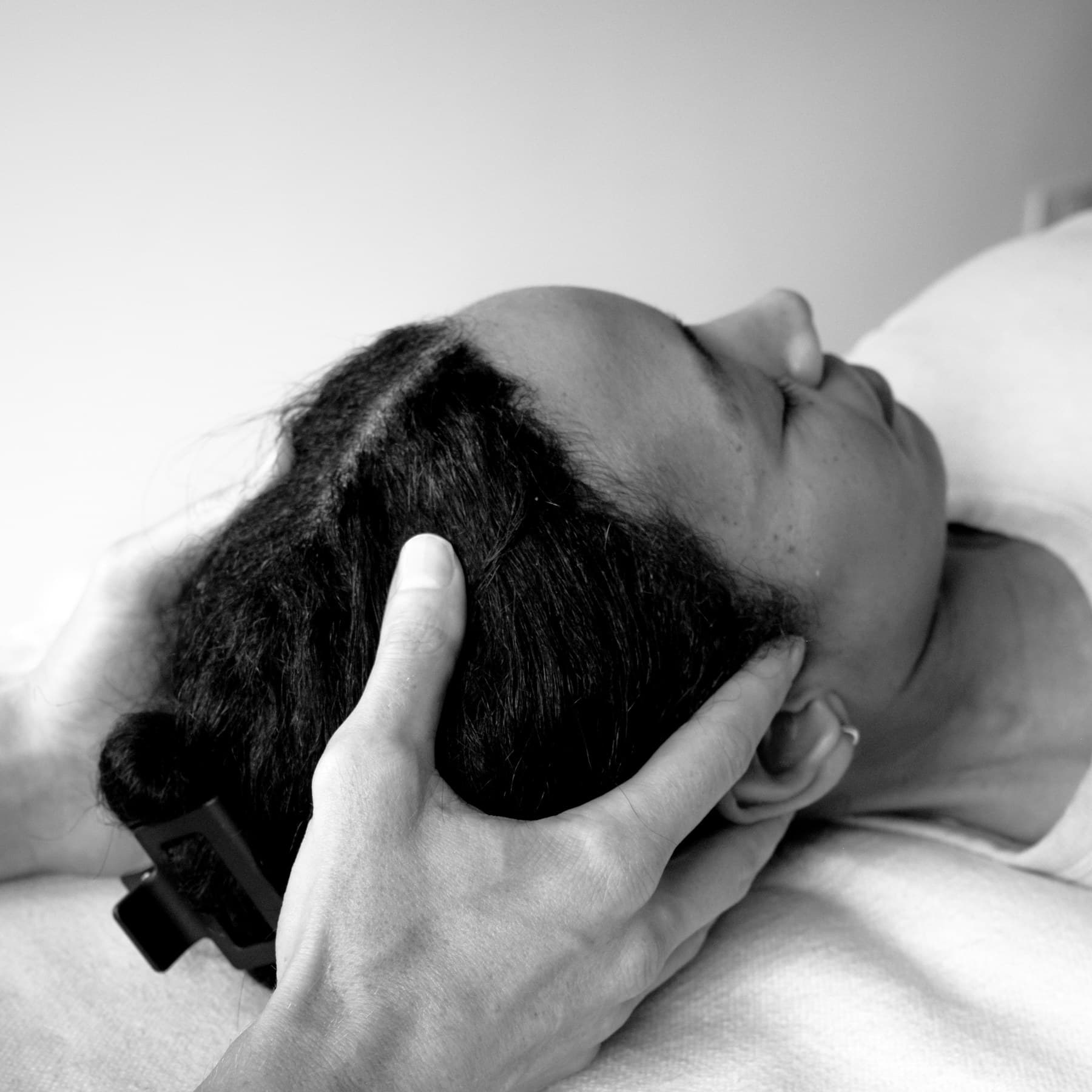
Sessions take place at my practice in South Edinburgh. You remain fully clothed throughout, lying supine on a treatment table, receiving light holds on the spine, head, torso and limbs. The touch is slow and attuned to a client’s rhythms — activating nerve fibres (CT) linked to reduced stress hormones and changes in perceived pain.